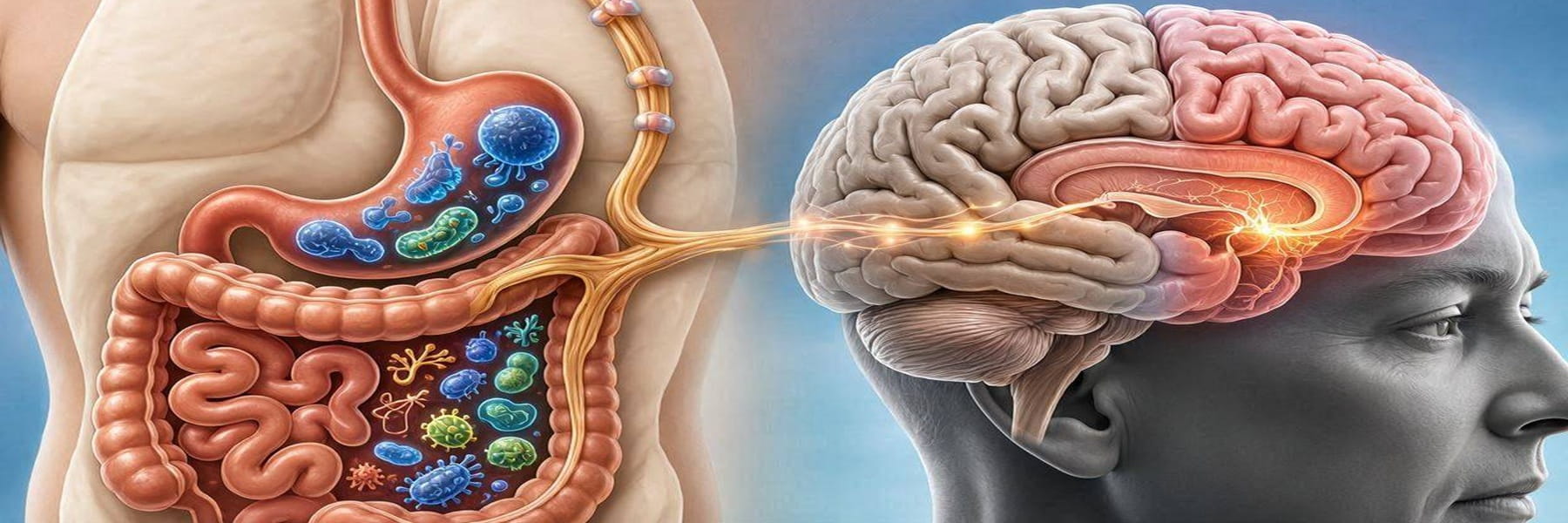

Stanford Medicine researchers have discovered that the gut microbiome directly controls how well the aging brain forms memories and that restoring gut-to-brain signaling can fully reverse cognitive decline in old mice.
The study, published in Nature, found that as mice age, their gut bacteria shift in composition, triggering an inflammatory immune response in the intestines that dampens signaling along the vagus nerve, the information highway connecting the gut to the hippocampus, the brain's memory center. When the researchers stimulated vagus nerve activity in older animals, the old, forgetful mice became as sharp as their younger counterparts: navigating mazes and recognizing novel objects with ease.
The main surprise was the degree of reversibility. So far, mainstream science tend to think of memory decline as a brain-intrinsic process. However, this study indicates memory formation can be enhanced by changing the composition of the gastrointestinal tract which apperebtly seems to have a kind of remote control for the brain.
The findings suggest that the timeline of cognitive decline is not hardwired but actively regulated by the body, with the gut playing a central role.