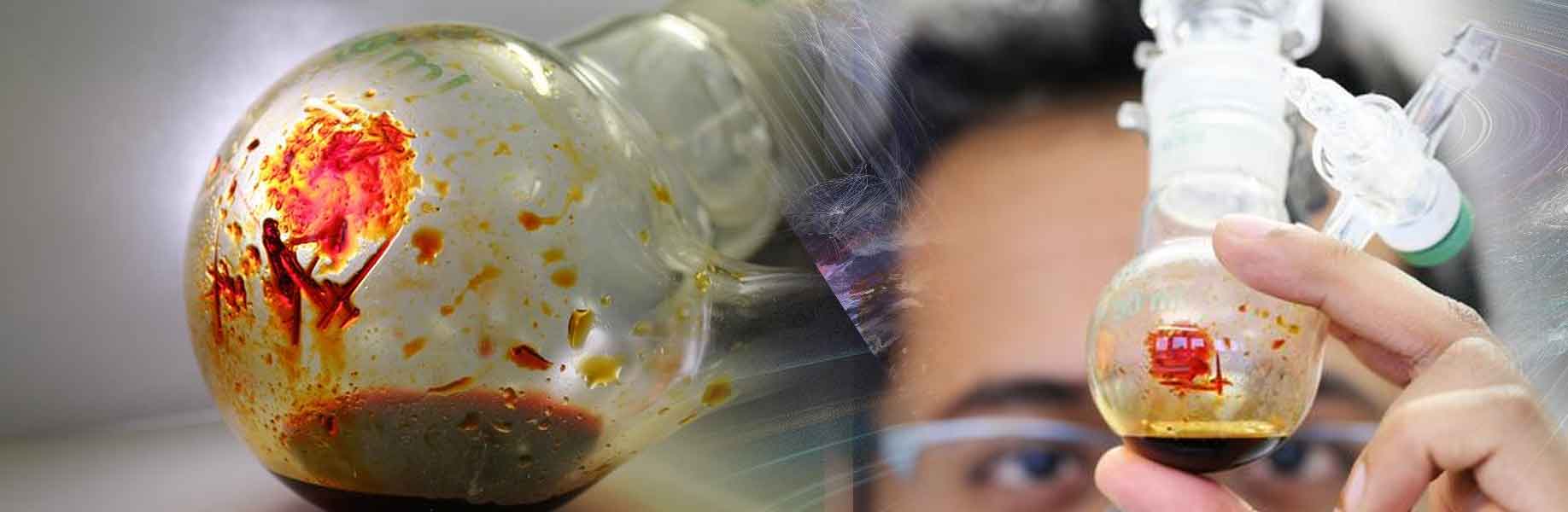

Chemists have made a rare big advance in science by creating a stable molecule that others tried and failed to make for many years. The molecule, called pentasilacyclopentadienide, is a version of a common carbon-based structure but with silicon atoms instead. Silicon is an element similar to carbon but more metallic, meaning it shares electrons more easily. This change could lead to new chemicals with unique properties. The work was done by researchers at Saarland University and published in Science.
Aromatic compounds are molecules with atoms arranged in a flat ring, making them very stable due to shared electrons spread evenly around the ring. This stability follows Hückel's rule, a simple math formula that predicts how many electrons are needed for this even distribution. These compounds are important in everyday items like plastics, where they help make production processes better and longer-lasting.
The new molecule replaces all five carbon atoms in a ring with silicon, something chemists thought might be possible since the 1970s but could not achieve until now. Before this, only a smaller three-silicon ring aromatic was made in 1981. The five-silicon version is harder because silicon does not form stable rings as easily as carbon.
Why the achievement matters
This success happened at the same time as a similar discovery in a lab in Japan, and both groups agreed to share their results in the same journal issue. The molecule's stability comes from its planar structure and delocalized electrons - electrons not stuck to one atom but moving freely around the ring. Now that this first step is done, it could lead to new catalysts, which are substances that speed up chemical reactions without being used up. These might improve industrial processes or create entirely new materials. While the full impact is not yet clear, this opens a door to exploring silicon chemistry in ways that were blocked before, potentially changing how we make things like electronics or fuels.