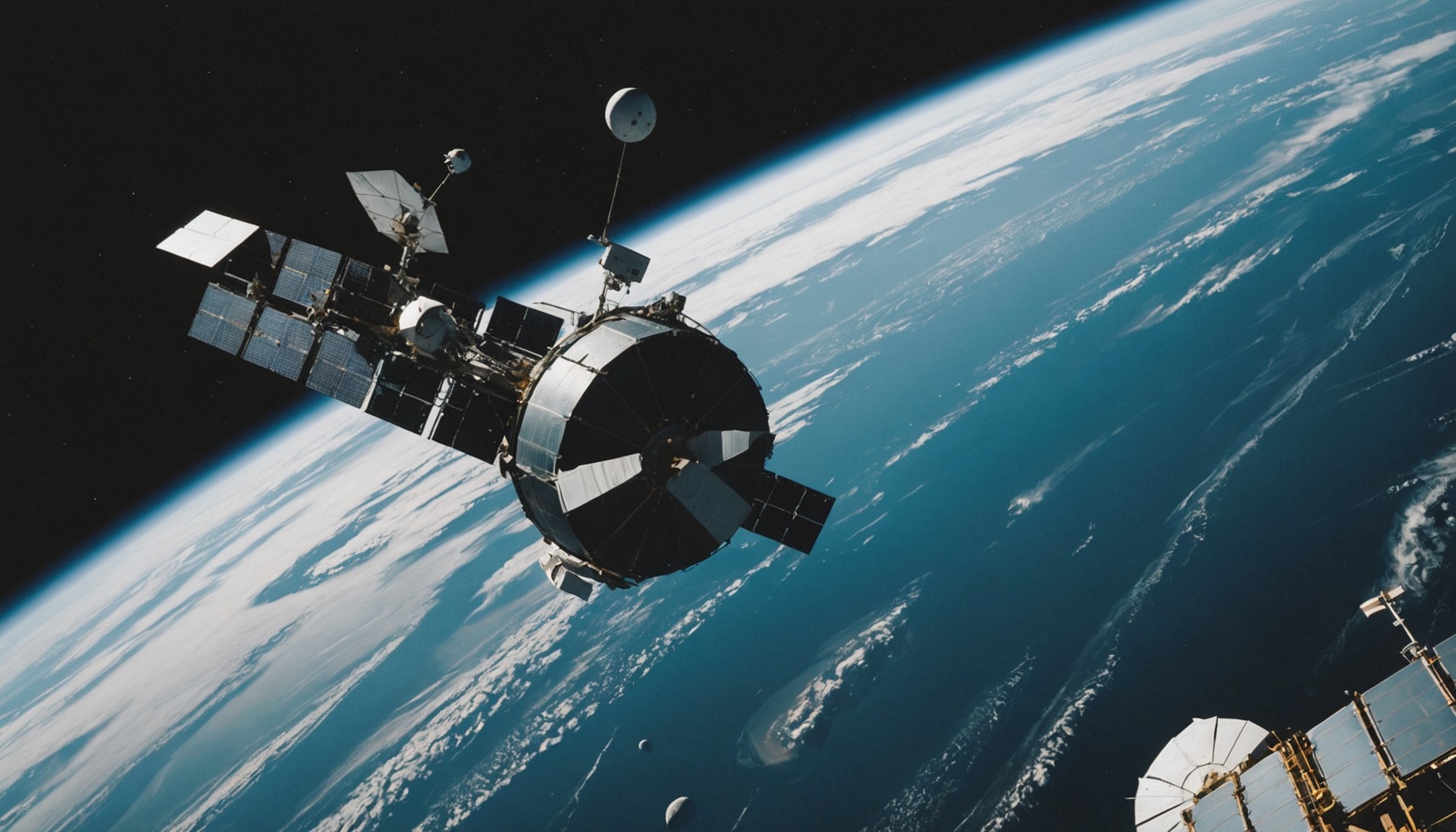


Ars Technica reports that he US Federal Communications Commission (FCC) has authorized SpaceX to deploy up to 1 million satellites as part of a constellation called Starmind. The system is planned as a network of data centers in orbit that would run artificial intelligence computing. If fully deployed, it would increase the number of satellites in orbit by roughly 50-fold.
SpaceX plans for each satellite to draw power from large solar panels and to supply computing capacity for tens of millions of advanced AI chips. FCC Chairman said the action opens a bold new frontier for the computing infrastructure needed to power American leadership and growth. The authorization does not establish that orbital data centers are technically or economically viable. One earlier analysis estimated that building and replenishing the constellation could require thousands of rocket launches per year, far beyond current global launch rates.
A long runway, with some limits
The order gives SpaceX seven years to deploy a single operational satellite, until November 2035 to deploy 100,000 satellites, and until November 2040 for the full constellation. The satellites would fly in six orbits between 550 and about 1,000 km above Earth. The FCC refused a request to let retired satellites above 600 km be moved into disposal orbits around Earth or the Sun instead of burning up in the atmosphere, saying SpaceX had not provided enough information to judge whether those methods meet its rules.
Several organizations, including the Secure World Foundation and the American Astronomical Society, had warned about collision risks, orbital debris, pollution from satellites burning up on reentry, and harm to astronomical observations. The agency also received about 1,500 public comments on the application. The FCC said concerns about rocket launch emissions were outside its purview, and it called worries about pollution from reentries, such as aluminum oxides that could affect the ozone layer, speculative and not supported in the record.
This decision removes the main regulatory hurdle for what may be the most ambitious industrial project ever approved for spaceflight, while largely setting aside environmental review. It also signals how regulators may handle proposals to move computing infrastructure, and large amounts of valuable material, away from Earth.