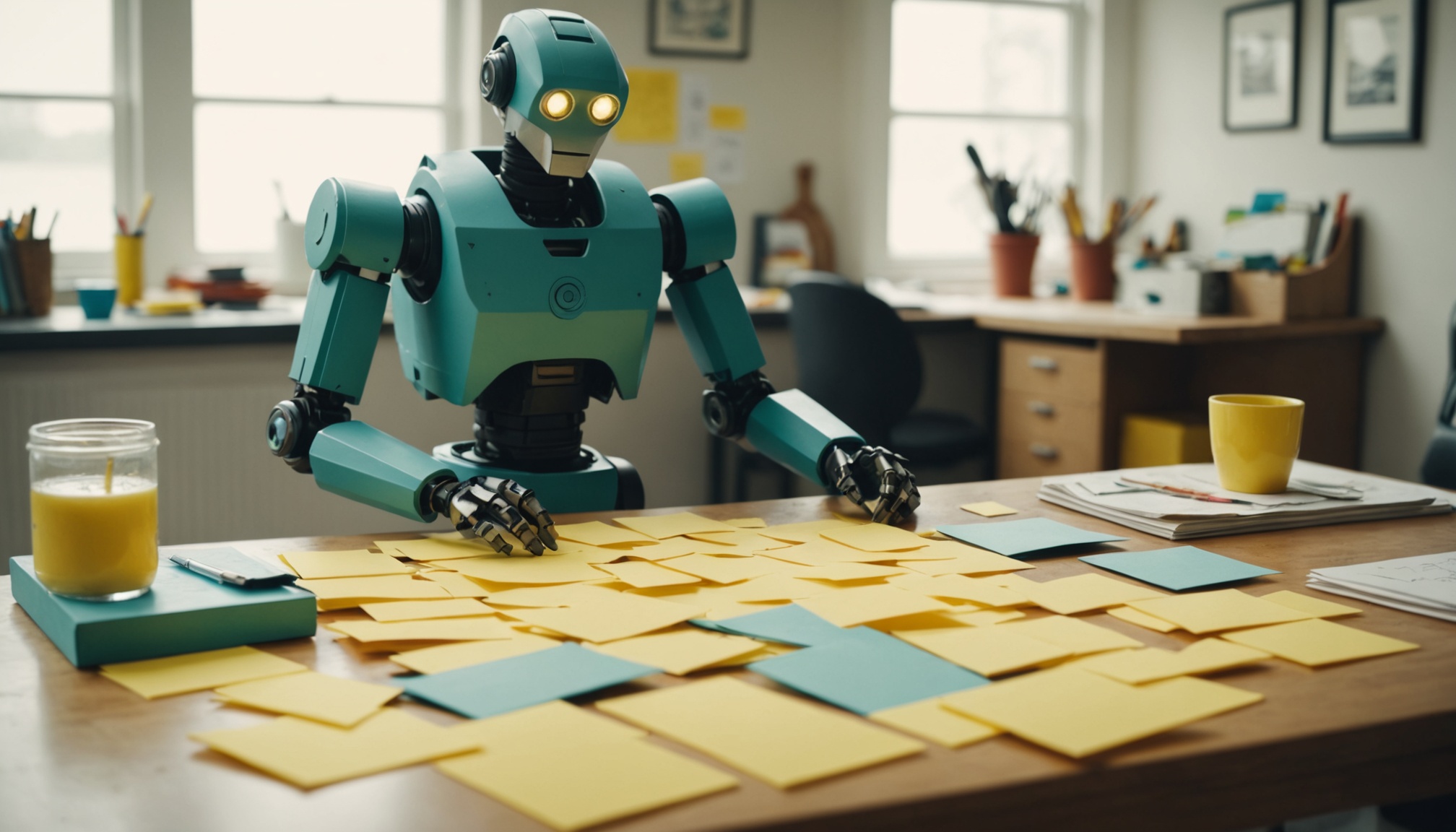


AI company Anthropic has published an overview of how it builds memory for its Claude models, so that an AI agent can keep useful knowledge from one work session to the next. Without such a system, each session starts blank. Anthropic calls the pieces of this system the components of agent memory, and says they decide how well agents handle long tasks. The idea is different from in-context learning, the knowledge a model gains inside a single conversation.
The simplest component is the session transcript, a full log of what the agent did. On top of that, Claude writes short memory notes about events it judges important. Anthropic found that newer models are far better at judging what is worth saving. Saving everything wastes time, because the agent has to keep searching a huge pile of notes.
Dreaming to check and organize memory
Anthropic also describes an offline process it calls dreaming, in which Claude reviews its transcripts while not working on a task. Dreaming can correct wrong notes. Dreaming can also build new structures, such as a wiki of linked pages that summarizes a large set of documents. In tests on a company's internal files, Claude met 87 percent of the graded criteria on questions about a merger when it used a wiki, against 73 percent with search alone. Wikis helped most when answers required combining facts from several documents.
The work matters because agents that remember well can take on longer jobs, from research to software projects, without repeating earlier mistakes. Anthropic's results suggest that giving models freedom to decide what is worth remembering, and adding an offline stage to check and organize those memories, works better than fixed rules. For anyone building AI assistants, the post offers a practical template for making them more reliable over time.