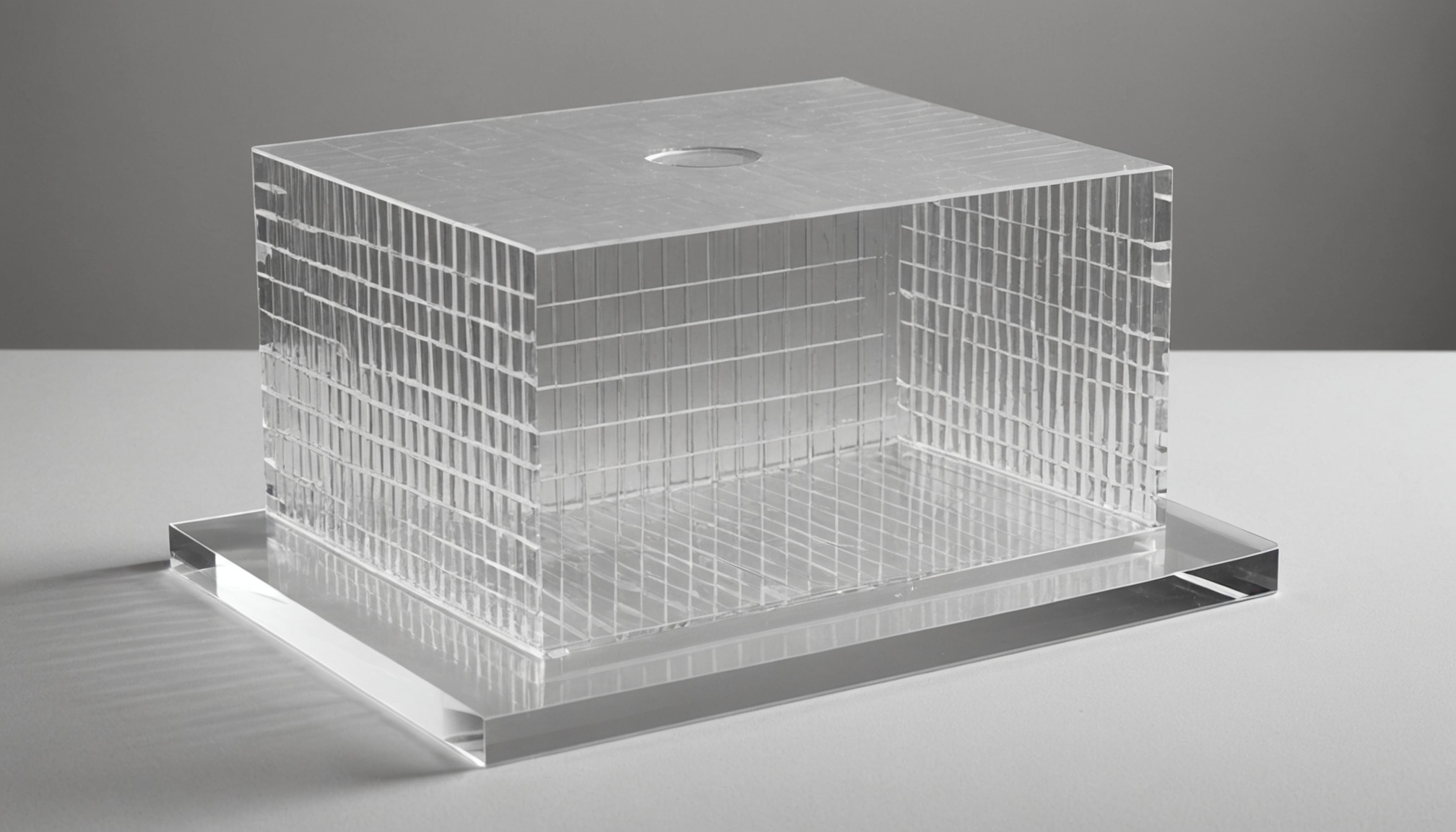


Engineers have developed a new 3D printing method that combines speed, fine detail and the ability to work with a wide range of materials. The method, called direct ink additive lithography, or DIAL, is described in a paper published in Science Advances.
Today's 3D printers force a trade-off. Light-based printers are fast and precise but only work with thin, free-flowing resins that let light pass through. Extrusion printers, which squeeze thick inks through a nozzle one line at a time, can use many more materials but are slow and lose fine detail. DIAL merges the two approaches.
The printer deposits thick, paste-like ink through a long, narrow slot and spreads it into a sheet about 50 microns thick, thinner than a human hair. A projector then shines patterned light onto the sheet, hardening selected areas. Repeating this layer by layer builds up a complete object.
How the ink supports itself
The team mixed a light-curable resin with silica nanoparticles, giving the ink a property called yield stress, meaning it stays stiff until force is applied. The sweeping blade briefly makes it flow, then it firms up again. The unhardened ink around each feature acts as a built-in support, so overhangs and delicate bridges need no extra scaffold. Leftover ink can be washed away and reused.
In tests, DIAL printed a porous grid in 30 minutes, while conventional extrusion needed 124 minutes. It printed lattice walls as thin as 150 microns, interlocking chainmail and several objects at once. Because the printer is not confined to a vat of resin, the team expects it to scale to larger build areas more easily than most light-based methods.
To show practical uses, the researchers printed structures from two functional inks, Northwestern Engineering reports. One was a structural electrolyte, and he other was a hydrogel.
This matters because manufacturers usually must choose between speed, precision and material performance. DIAL removes much of that compromise. It could speed up production of complex parts for robotics, energy storage, medical devices and tissue engineering, and it may allow materials that have never been 3D printed before.