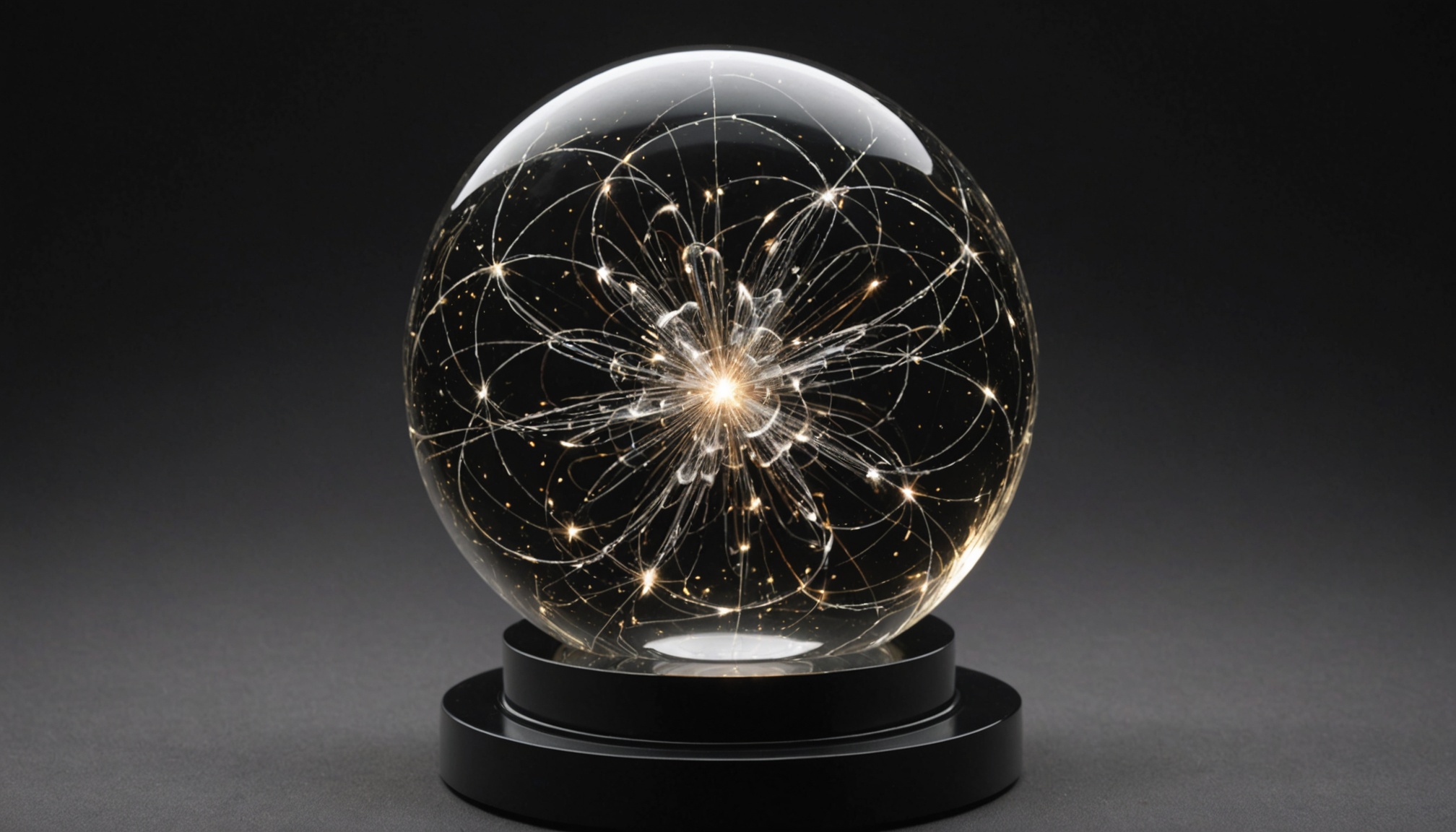


Researchers at Harvard and Smithsonian have built one of the largest and most detailed computer simulations of the early universe ever made. Called Lumina, it recreates the first two billion years after the Big Bang and shows how dark matter, gas, and radiation interacted to give rise to the earliest stars, galaxies, and black holes. The work is published in Monthly Notices of the Royal Astronomical Society.
Lumina calculates how gas, dark matter, and light influenced one another as the young universe developed. Its virtual cosmos is a cube about 1.5 billion light-years on each side, a volume more than 100 times larger than those covered by earlier comparable projects, yet it still resolves individual galaxies. It is also the first simulation of this kind to follow helium reionization, the process by which radiation strips electrons from helium atoms, while accounting for how that change affects the surrounding universe.
A supercomputer-sized effort
To run the simulation, the team used more than 15,000 GPUs on Frontier, one of the world's fastest supercomputers, located at Oak Ridge National Laboratory. The researchers said the early universe has become an exciting new frontier in astrophysics because of the James Webb Space Telescope, and that scientists need to translate their theories into detailed predictions to understand what the telescope is seeing. Scientists can now follow both hydrogen and helium as they changed into their modern form across an enormous volume, while still resolving the galaxies and other luminous objects driving that transformation.
This news matters because telescopes such as James Webb and the upcoming Nancy Roman Space Telescope are revealing the universe's earliest chapters in growing detail, and astronomers need tools to interpret those observations. By comparing Lumina's predictions with real telescope data, scientists can test whether current theories of cosmic evolution hold up. Any unexpected differences could point to physical processes that are not yet understood.