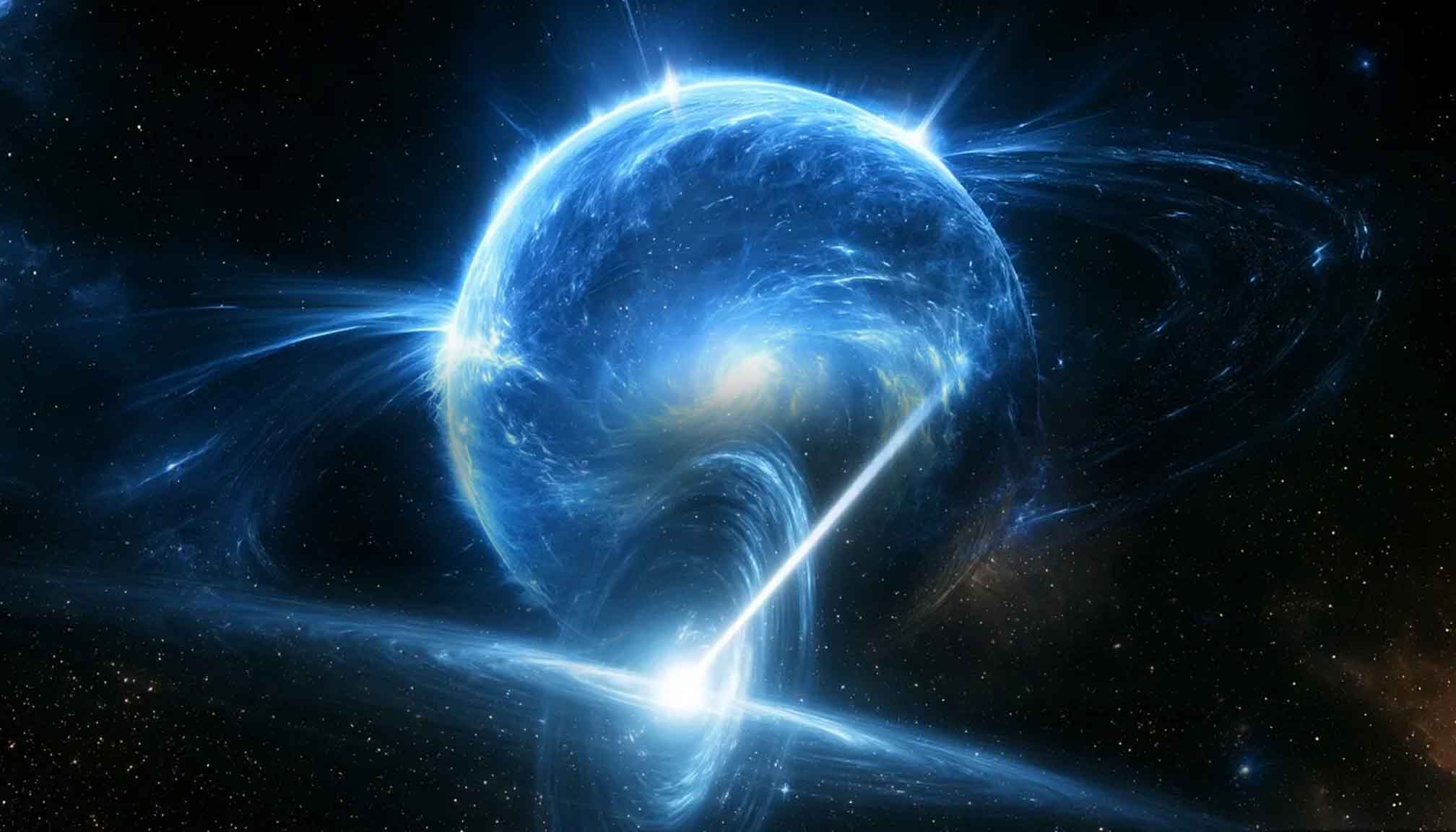
News Nov 16, 2026 A dead star spinning every eight minutes sends out mysterious radio pulses Astronomers have traced repeating radio pulses to a white dwarf orbiting a Sun-like star, a first-of-its-kind pairing that also revealed giant magnetic storms on the companion. Giulio Prisco 2 min read
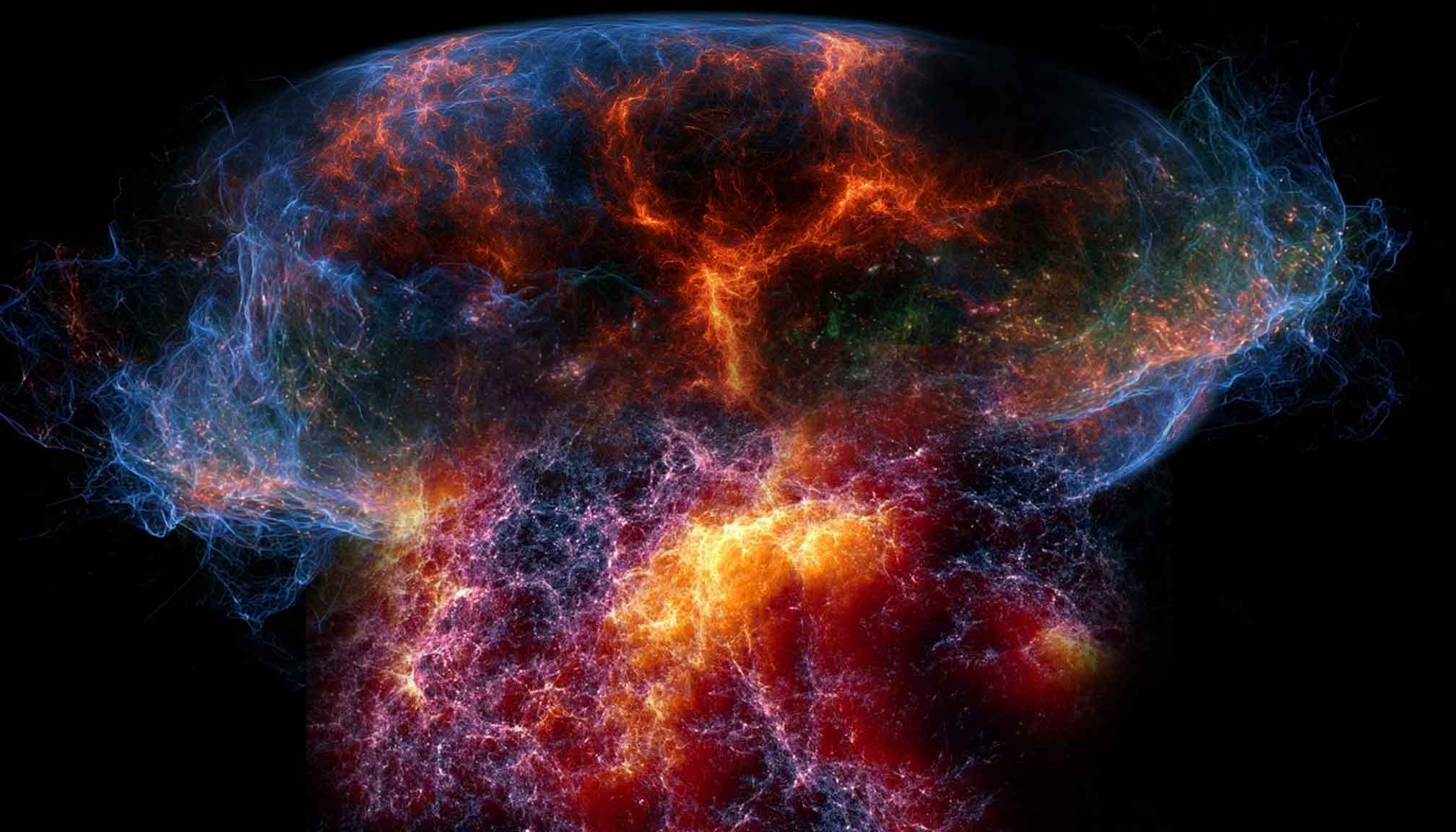
News Nov 12, 2026 Lumina simulation reveals how the universe emerged from its cosmic dark age A new supercomputer simulation recreates two billion years of early cosmic history, showing how the first stars, galaxies and black holes lit up the cosmos. Giulio Prisco 2 min read
Community Dec 2, 2025 What Would Happen if Earth's Rotation Stopped for Just One Second? One second. Earth freezes. You don’t. At 1,000 mph you’re airborne, cities vaporize under supersonic winds, oceans leap ashore. Then spin slams back apocalypse, twice in a heartbeat. Emrakeb Ermias 4 min read
News Oct 7, 2026 Nobel Prize in physics awarded to IceCube founder Francis Halzen for opening neutrino astronomy Francis Halzen, principal investigator of the IceCube Neutrino Observatory, has been awarded the 2026 Nobel Prize in Physics for his pioneering work in detecting high-energy neutrinos from space and establishing neutrino astronomy as a new way to study the universe. Giulio Prisco 2 min read
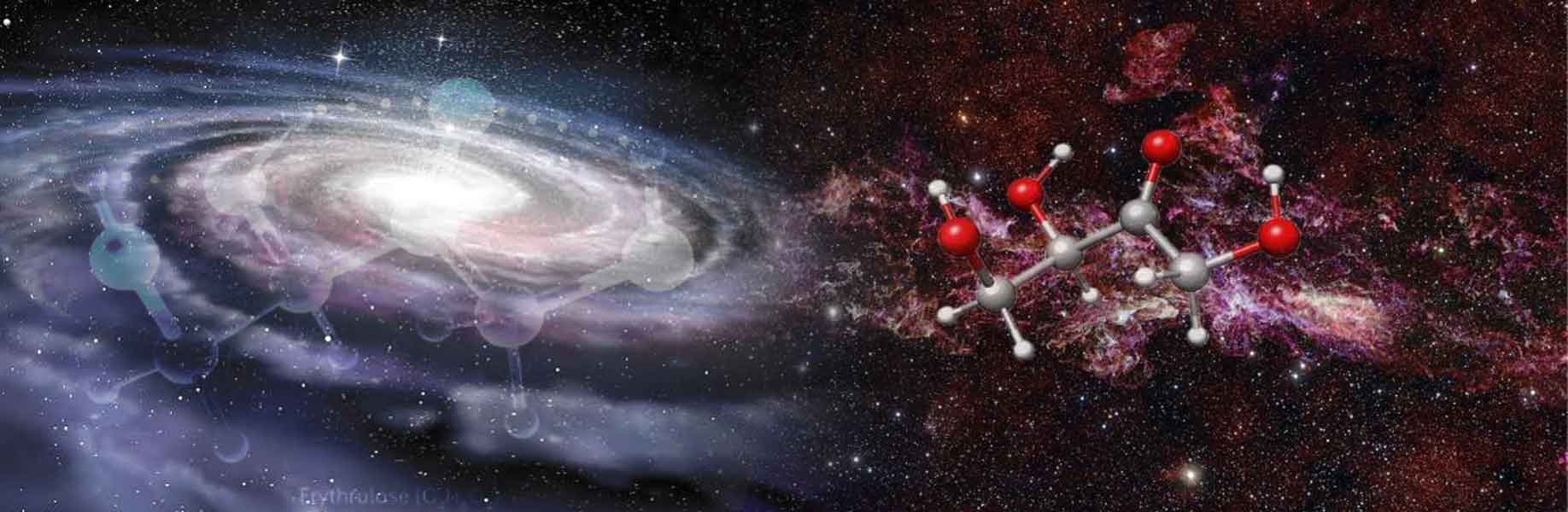
News Jul 15, 2026 A Sugar From Raspberries Found Drifting Near the Center of the Milky Way Scientists detect a sugar molecule in deep space for the first time, strengthening evidence that the chemical building blocks of life may have formed long before Earth existed. gizmo guru 2 min read
News Oct 28, 2026 New simulation recreates the first two billion years of the universe The Lumina simulation models how dark matter, gas, and radiation shaped the first stars and galaxies, giving astronomers a new tool to interpret telescope observations. Giulio Prisco 2 min read
Mindbytes Sep 23, 2026 New Algorithm Turns Black Hole Snapshots into Video The kine algorithm uses neural fields to reconstruct a continuous video from 116 VLBI observations spanning 27 years, achieving four times the resolution of any single image. Linsey Smith 2 min read
Mindbytes Sep 7, 2026 China's FAST Telescope Solves Mystery of Neutron Star Origins Astronomers have for the first time identified a pulsar in the tidal tail of an ancient star cluster, providing key evidence for how neutron stars migrate into the Milky Way. gizmo guru 2 min read
Mindbytes Jul 22, 2026 Astronomers Identify Milky Way's Most Powerful Natural Particle Accelerator Near Star Altair Scientists confirmed a Milky Way particle accelerator producing ultra-high-energy cosmic rays, with proton energies thousands of times beyond the Large Hadron Collider. gizmo guru 1 min read
Mindbytes Sep 2, 2026 Dark Matter Detector Spots Most Compelling Signal Yet LUX-ZEPLIN recorded a single particle interaction that could be a WIMP 200 times heavier than a proton. At 2.6 sigma, it has a 0.5% chance of being background. gizmo guru 2 min read