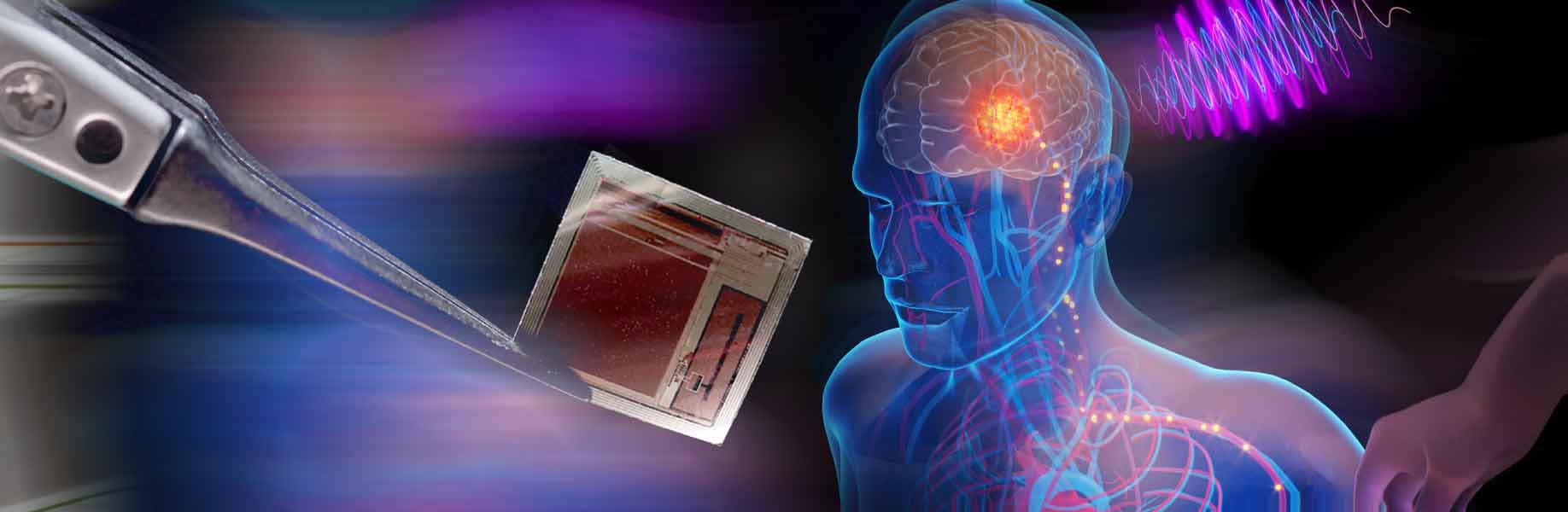

A new medical device stands to transform how humans interact with computers and improve treatments for severe neurological disorders. Researchers from several major universities have developed a system called the Biological Interface System to Cortex, or BISC. This tool is designed to assist patients with conditions such as epilepsy, spinal cord injuries, stroke, and blindness by managing seizures and restoring lost physical functions. A brain-computer interface, or BCI, is a technology that creates a direct communication pathway between the brain's electrical activity and an external device. While traditional BCIs often require bulky electronic canisters implanted in the chest or skull, BISC is distinct because of its microscopic size. It rests on a single silicon chip so thin that it resembles a piece of wet tissue paper, allowing it to slide easily into the narrow space between the brain and the skull.
Advancing medical electronics
The system relies on complementary metal-oxide-semiconductor technology, often called CMOS. This is the same manufacturing process used to create processors for smartphones and laptops, allowing complex circuitry to fit into a tiny volume. The implant contains thousands of electrodes that record brain activity and deliver electrical stimulation. It connects wirelessly to a wearable relay station that powers the chip and transfers data. This connection achieves extremely high speeds, capable of moving 100 megabits of data per second, which is significantly faster than current wireless medical implants.
Because the device does not use wires that penetrate the brain tissue, the group believes it will be safer and cause less scarring over time. Clinical collaborators have successfully tested the stability of the implant in animal studies and are moving toward human trials to treat drug-resistant epilepsy. A spin-off company, Kampto Neurotech, is now working to bring this technology from the laboratory to the commercial market. By enabling high-speed communication between the brain and artificial intelligence (AI), this innovation could fundamentally change how doctors treat brain disorders and how humans engage with machines.
The researchers have described the BISC in a paper published in Nature Electronics.