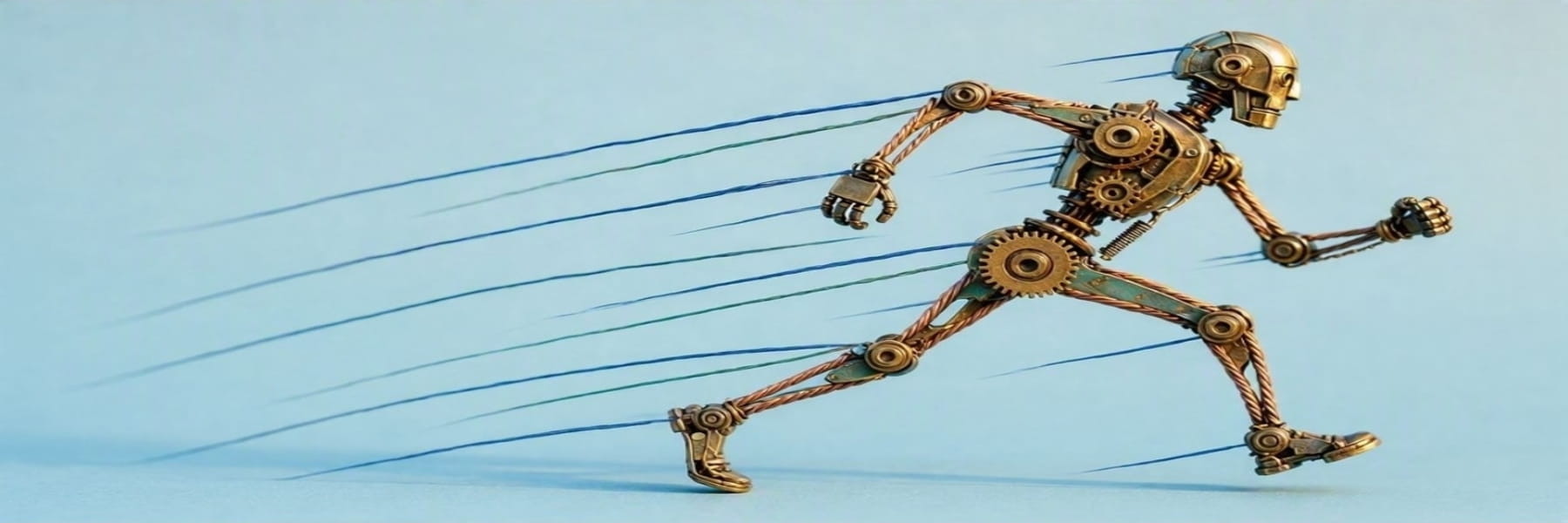

The second World Humanoid Robot Games kicked off in Beijing on August 22, bringing together 666 teams and 2,056 robots from 16 countries across six continents. The scale represents a dramatic increase from the inaugural event, which featured only 280 teams. The robots competed in 51 disciplines, with over 1,000 matches held across the five-day competition.
The headline-grabbing moment came when a Chinese humanoid robot, Tiangong Ultra, shattered Usain Bolt's 100-meter world record, clocking 9.39 seconds against the human record of 9.58 seconds. The games also featured boxing, football, weightlifting, gymnastics, and tug-of-war events. Unitree, which dominated last year's medal table with 11 wins, generated fresh buzz with its newly unveiled "Superman" robot. The event was held at Beijing's National Speed Skating Oval, also known as the "Ice Ribbon," where Chinese robotics companies showcased their technological prowess on a global stage.
This is not the first time Tiangong robots have made headlines. Just weeks ago, Tiangong Ultra won the world's inaugural E-Town Humanoid Robot Half-Marathon in Beijing, completing the 21-kilometer course in 2 hours and 40 minutes. The rapid progress in humanoid robotics is being fueled by advances in AI hardware. As Mindplex reported, NVIDIA's new Jetson Thor module—offering 7.5 times more AI compute than its predecessor—is being integrated into robots like Boston Dynamics' Atlas to enable advanced compute and fast data handling directly on the robot.