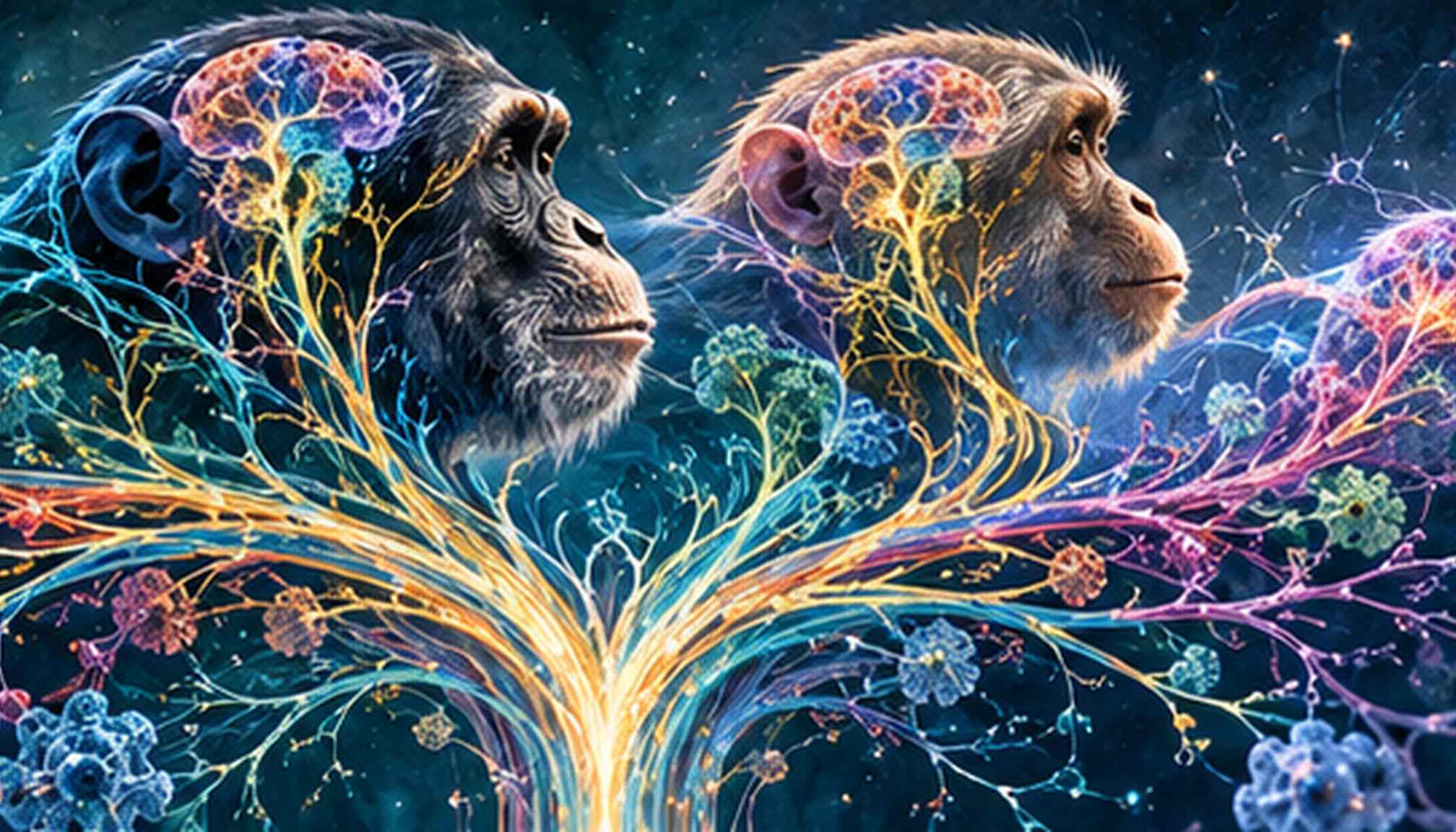

Scientists have assembled a comparative molecular atlas of nearly one million brain cells from humans, two macaque species and mice, revealing how cells responsible for producing myelin differ across mammals.
Published in Communications Biology, the research analyzed single-cell and single-nucleus transcriptomes from the hippocampus, focusing on oligodendrocytes and their precursor cells.
Oligodendrocytes produce myelin, the protective insulation surrounding nerve fibers that enables efficient electrical communication.
Researchers found that precursor cells retain remarkably similar genetic programs across species, while mature oligodendrocytes show greater evolutionary differences.
The analysis also identified the primate-specific gene CNDP1 and differences in the timing of ETV1 activity during cell maturation.
These findings complement earlier work on how myelin-producing cells reshape brain connections and advances in large-scale brain-cell mapping.
The study additionally uncovered shared and species-specific molecular signatures of aging, offering researchers a framework for investigating myelin biology and neurological disorders.
However, the results do not establish treatments or show that findings in mice will necessarily translate to humans.