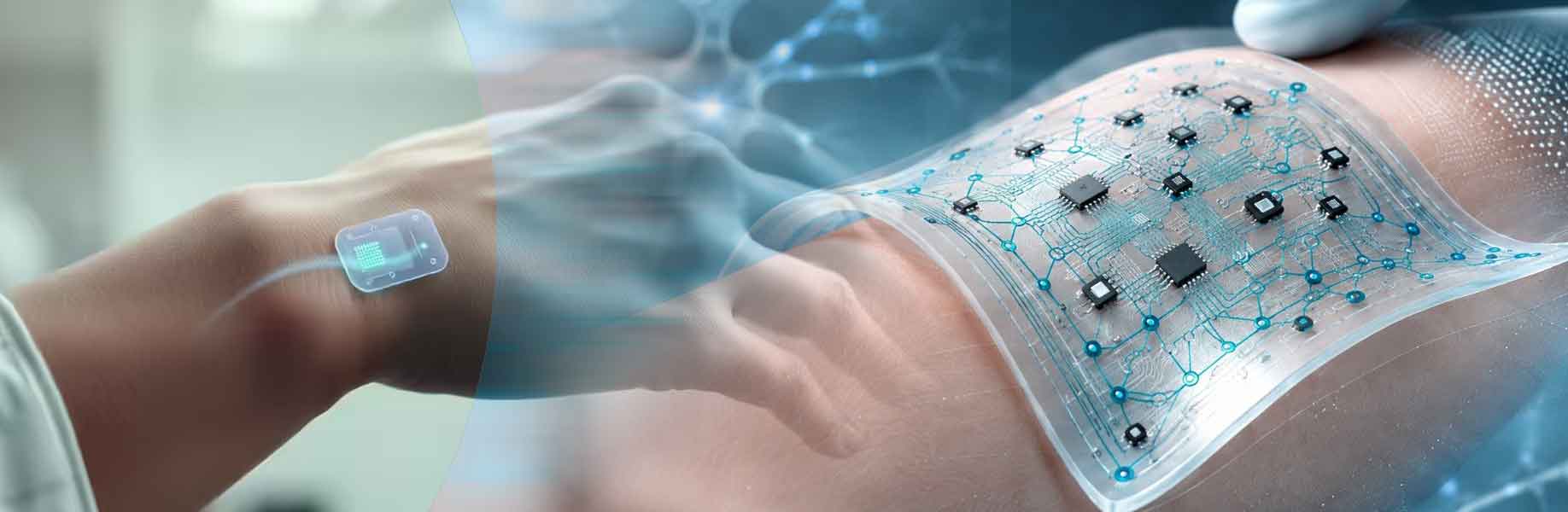

The aim of seamless merging of computers and biology has long been blocked by a core physical mismatch. Standard processors built on stiff silicon cause damage when fixed to moving parts such as a beating heart or bending muscle. They irritate tissue, detach, and fail over time.
A review article outlines the change from rigid systems to soft brain like electronics. These new devices sense information, store it, and process it while stretching to fit biological surfaces. They use bendable polymers and ion filled gels that keep working under strain. Information handling follows the brain's chemical style through mixed movement of charged particles and electrons inside the material.
How these soft devices copy brain learning processes
In this setup the materials behave like tiny sponges absorbing and releasing charged particles to re form their internal links on the fly. This lets one soft switch copy the brain's way of changing connection strength during learning and forgetting. Improved versions stretch to one hundred forty percent of original size exceeding skin flexibility so they hold up on active body areas. This high stretch capability means the electronics can follow the full range of motion in areas like knees or shoulders without breaking or losing contact.
Operating on biological style chemistry rather than high electric power these devices handle tasks like identifying irregular heart beats at voltages under half a volt. The low energy need ensures they stay safe and cool against living tissue. Manufacturing also changes because entire soft networks can be printed as one stretchy unit combining sensing storage and processing. This supports electronic skins and soft robot parts that handle touch and motion locally without constant data transfer to outside machines.
Yet soft memory elements still lose data soon after signals end limiting long term use. Current efforts use mixed designs with small rigid areas for stable memory joined by coiled stretchable wires. Pairing this structure with safe non toxic materials offers a clear way to bring these flexible brain like chips from lab work to practical body integration for lasting medical use.