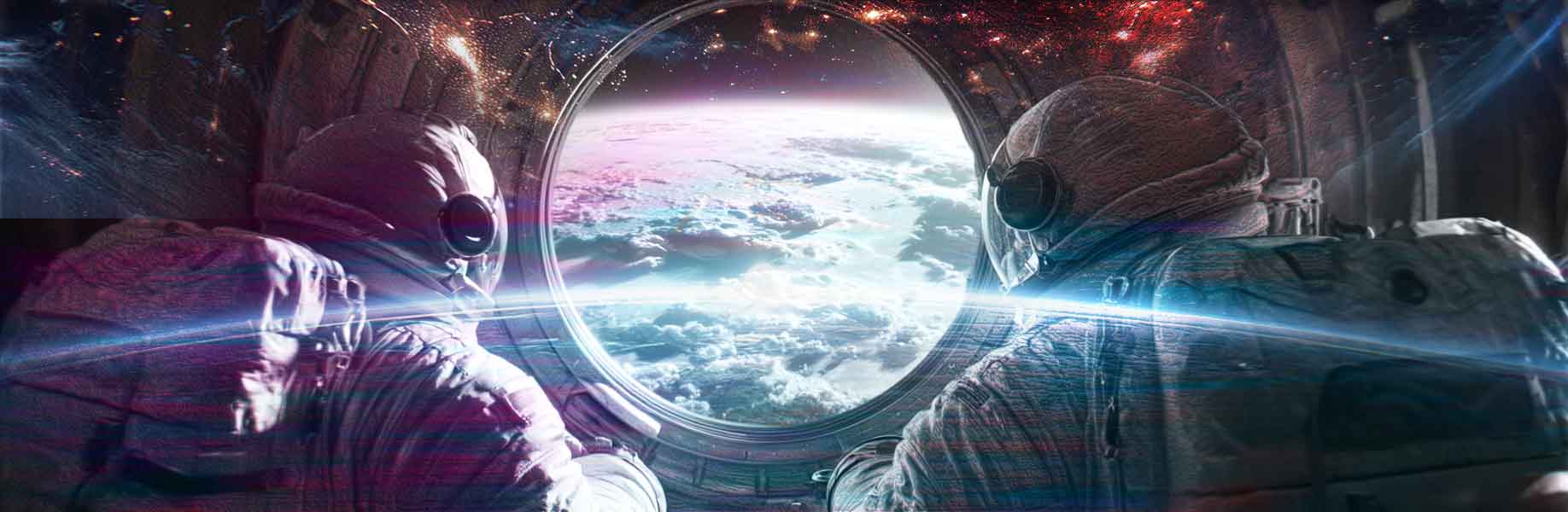

I’ve been doing little else but follow the Artemis II mission since its launch last week. The culmination of the mission came yesterday with the lunar flyby, streamed by NASA. Artemis II astronauts Reid Wiseman, Victor Glover, Christina Koch, and Jeremy Hansen completed a historic seven-hour lunar flyby on April 6. This marked humanity’s first crewed return to the vicinity of the Moon since the Apollo 17 mission in 1972.
During the flyby, the astronauts passed about 4,067 miles above the lunar surface. They captured images and described features on the Moon’s far side, including impact craters, ancient lava flows, surface cracks, and ridges. President Trump congratulated NASA and the astronauts.
Some impressive and inspiring images taken by the Artemis II astronauts have already been released by NASA, but many more are likely to be released in the following days.
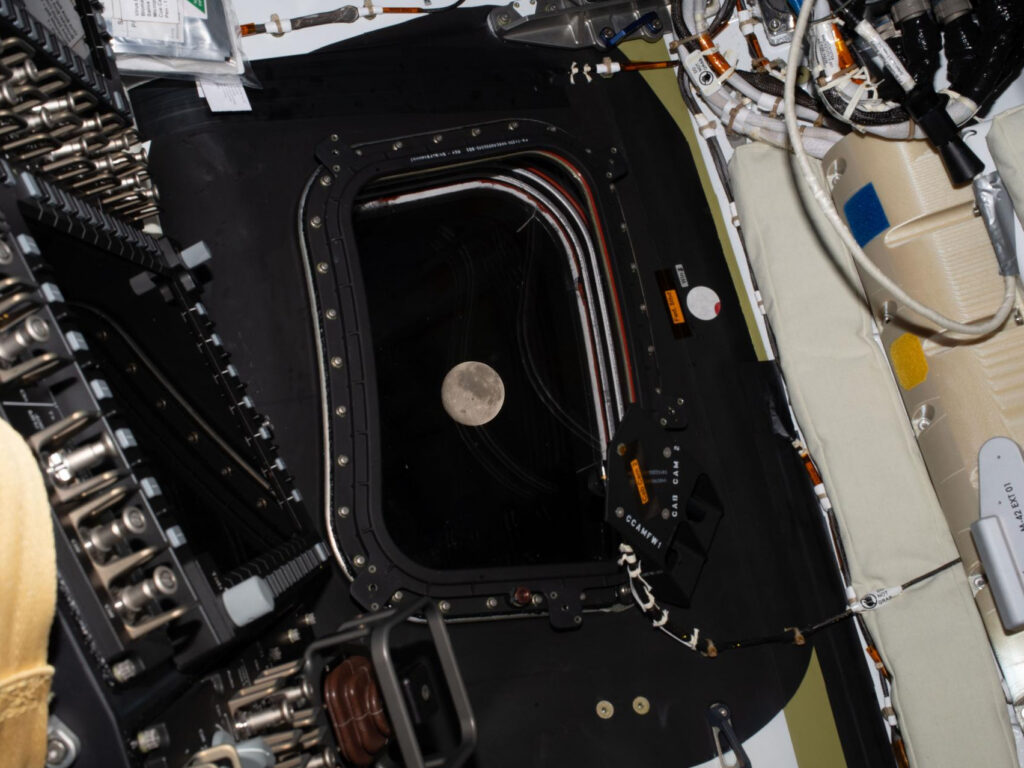
Boots on the Moon in 2028?
“Sometimes it seems that Apollo came before its time,” said Gene Cernan In his autobiographical book “The Last Man on the Moon.” Cernan, the commander of the Apollo 17 mission, the last Apollo mission to the Moon in 1972, added: “President Kennedy reached far into the twenty-first century, grabbed a decade of time and slipped it neatly into the 1960s and 1970s. Logic dictates that after Mercury and Gemini, we should have proceeded to build the shuttle, then an orbiting space station, and only then sought the Moon.”
These words echo those of Arthur Clarke:” As William Sims Bainbridge pointed out in his 1976 book, The Spaceflight Revolution: A Sociological Study,” said Clarke, “space travel is a technological mutation that should not really have arrived until the 21st century.”
It appears that, after the inspiring Apollo prelude in the 1960s, this technological mutation is beginning to happen now. Artemis IV is planned to land the next astronauts on the surface of the Moon in 2028, and NASA has announced a new wave of sweeping changes to accelerate the Artemis program, build a Moonbase, and move on to Mars and the planets. Among these changes, NASA is rebuilding its core engineering and operational strengths. This was a key recommendation that the other Apollo 17 astronaut who walked on the Moon, Harrison "Jack" Schmitt, put forward in his book “Return to the Moon: Exploration, Enterprise, and Energy in the Human Settlement of Space.” This will allow NASA to better lead and interact with its private sector contractors. Schmitt’s book is a roadmap for an end-to-end industrial system to mine Helium 3 on the Moon and use it in next generation nuclear fusion reactors. Interestingly, NASA is embracing nuclear power again.
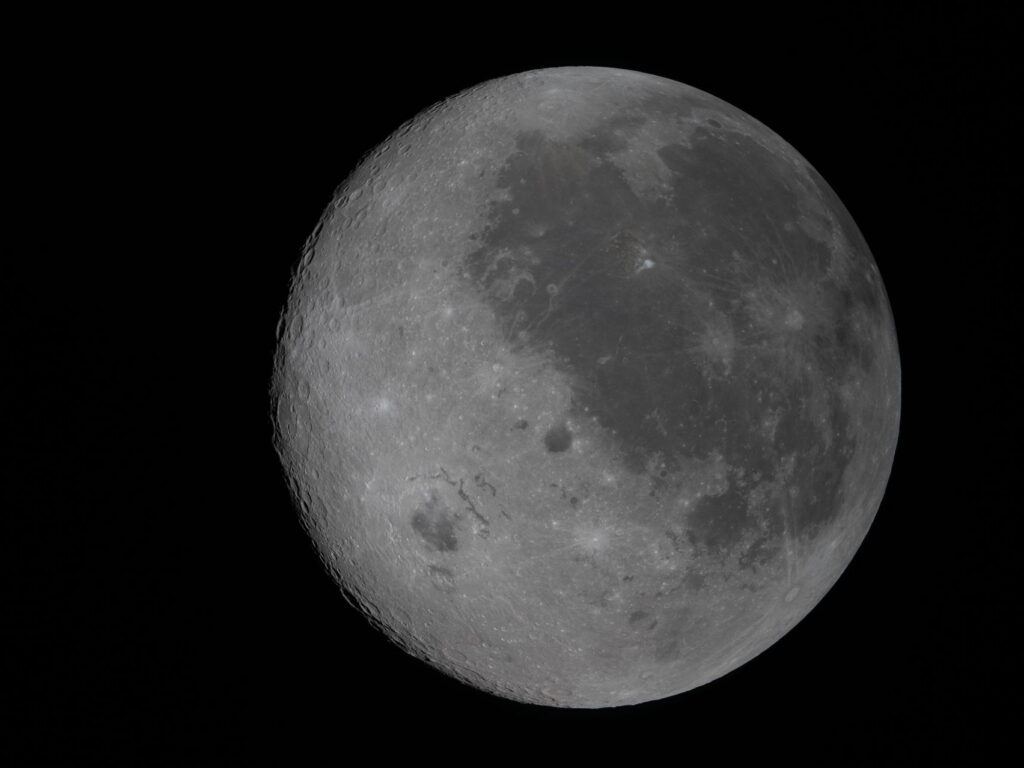
We are likely to see a lot of action on the Moon in the next few years, and not led by NASA alone. SpaceX has recently announced a significant shift in its priorities and plans to establish a permanent presence on the Moon and, eventually, a city on the lunar surface.
This calls for enthusiasm, but don’t forget that China could still reach and beginning to settle the Moon first. And, much more importantly, don’t forget the elephant in the space mission control room: the strong likelihood that we, flesh-and-blood humans like you and me, won't lead humanity’s space expansion for long. Artificial intelligence (AI) will.
A powerfully inspiring Easter message
To old-timers like me, the Artemis II mission looks like a remake of the Apollo 8 mission (December 21–27, 1968). The three Apollo 8 astronauts - Frank Borman, Jim Lovell, and William Anders - didn’t land on the Moon but orbited the Moon without landing. They were the first humans to see and photograph the far side of the Moon, and took the iconic Earthrise picture on Christmas eve.
Artemis II is also taking place around a religious holiday. Arguably, Easter is an even more powerful symbol than Christmas, because it represents the beginnings of renewal and resurrection. And what is Artemis II if not the beginning of a resurrection of human deep space exploration and space expansion?
In reply to the question: “Apollo 8 had a memorable Christmas Eve reading from Genesis. Do you have a message you'd like to share from space about Easter Sunday?,” astronaut Victor Glover said:
“You know, I don't have anything prepared. I'm glad you brought that up though. I think these observances are important and as we are so far from Earth and looking back at, you know, the beauty of creation. I think for me one of the really important personal perspectives that I have up here is I can really see Earth as one thing. And, you know, when I read the Bible and I look at all of the amazing things that were done for us, were created - it's you that have this amazing place, this spaceship. You guys are talking to us because we're in a spaceship really far from Earth but you're on a spaceship called Earth that was created to give us a place to live in the universe, in the cosmos, maybe the distance we are from you makes you think what we're doing is special, but we're the same distance from you. And I'm trying to tell you - just trust me - you are special in all of this emptiness. This is a whole bunch of nothing. This thing we call the universe. You have this oasis, this beautiful place that we get to exist together. I think as we go into Easter Sunday, thinking about, you know, all the cultures all around the world, whether you celebrate it or not, whether you believe in God or not, um this is an opportunity for us to remember where we are, who we are, and that we are the same thing, and that we got to get through this together.”
This was the Easter message that I wanted to hear. Glover is using the delicious metaphor of “Spaceship Earth,” also used by Buckminster Fuller. We are all astronauts, crew members of Spaceship Earth, and we are all contributing to its mission to the stars. Some of us do big things like the four Artemis II astronauts, most of us do small things, but all of us can and should do something to contribute.