Article Nov 25, 2025 The Age of Disclosure explores aliens and government cover-ups "The Age of Disclosure" (2025), directed by Dan Farah, is a provocative documentary on an alleged 80-year U.S. government cover-up of non-human intelligence, including UFO/UAP sightings, recovered alien technology, and non-human remains. giulioprisco 5 min read
News Apr 17, 2025 Signs of life on exoplanet K2-18b excite astronomers New telescope data reveals possible biosignatures, hinting at life on a distant ocean-covered world in the habitable zone. giulioprisco 2 min read
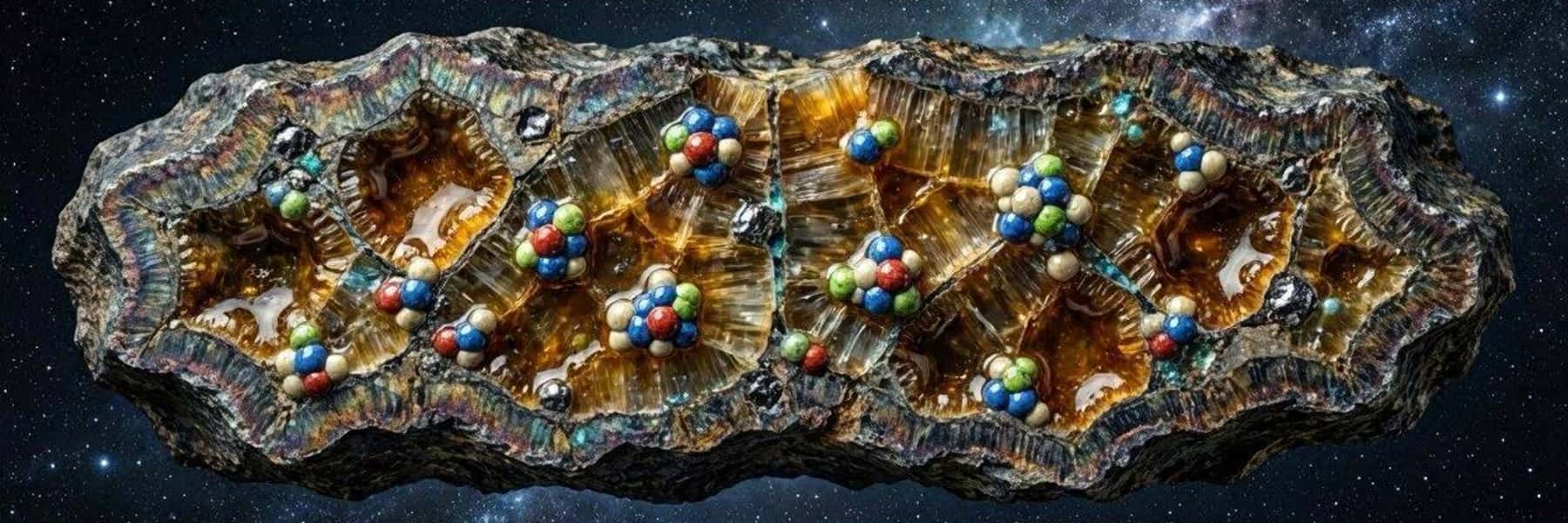
Mindbytes Jul 16, 2026 NASA Study Reveals New Jersey Meteorite That Hit Hillsborough Home Contains Hundreds of Extraterrestrial Amino Acids NASA scientists found extraterrestrial amino acids in a rare carbonaceous chondrite meteorite, offering new clues about asteroids and the origins of life on Earth. Linsey 1 min read
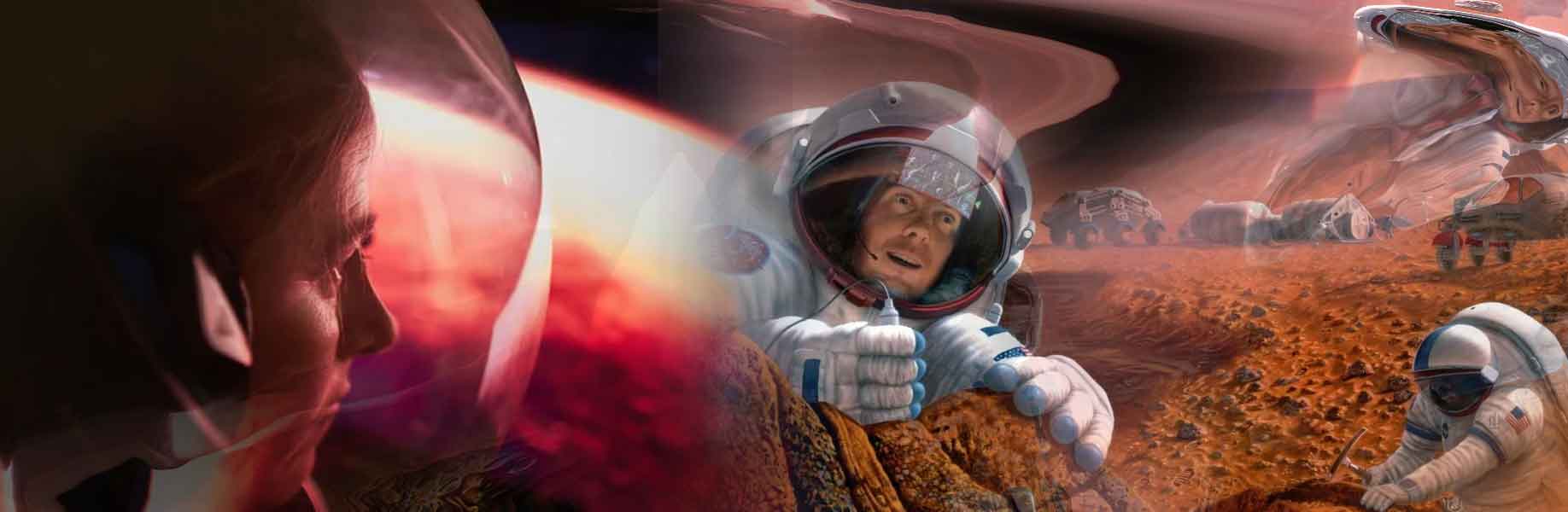
News Dec 10, 2025 New report outlines scientific goals for human missions to Mars Leading scientists argue that the search for alien life should be the primary motivation for sending astronauts to the red planet in the coming decades. giulioprisco 2 min read
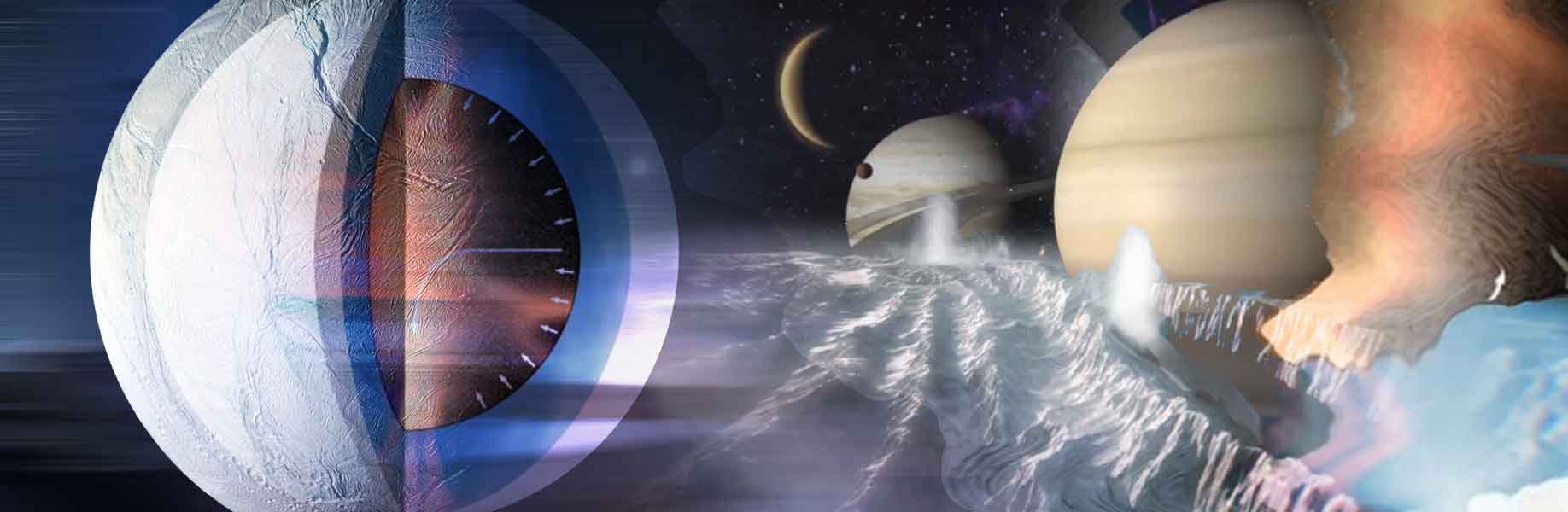
News Oct 2, 2025 Cassini data reveals organic molecules from Enceladus This finding shows complex chemical reactions in Saturn's moon's underground ocean, increasing the potential for life and supporting plans for a future space mission. giulioprisco 2 min read
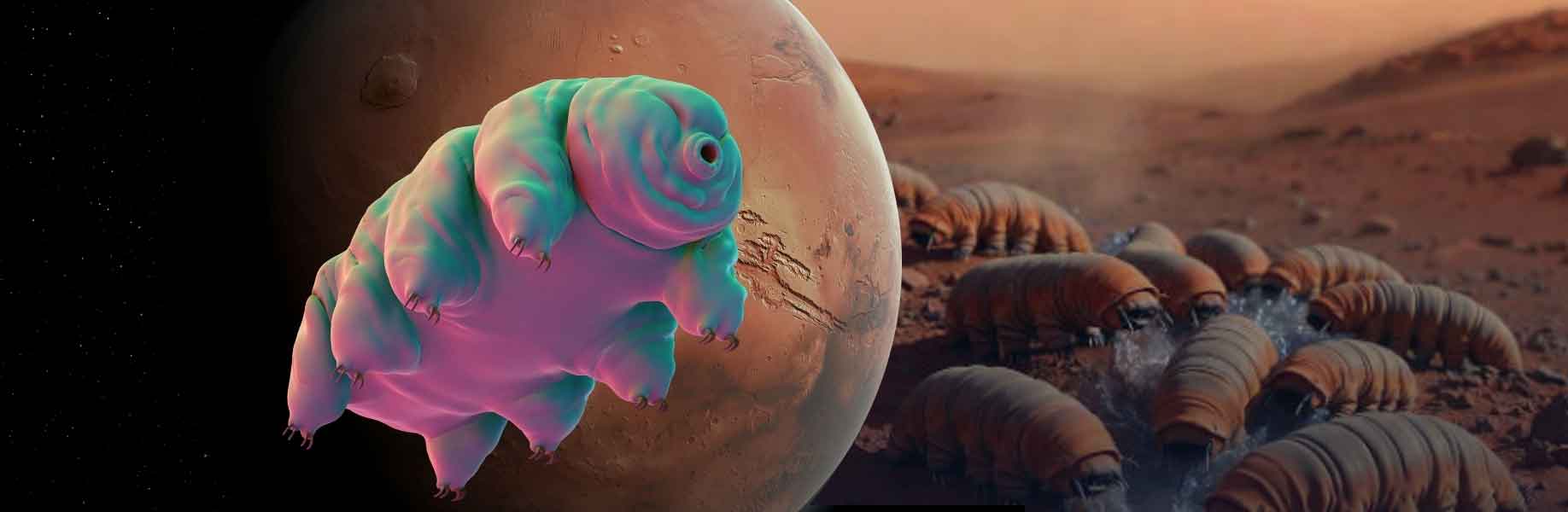
News Mar 2, 2026 Tardigrades reveal ways to adapt Martian resources for human exploration Researchers find that washing simulated Martian soil reduces harm to microscopic animals, balancing planetary protection with the needs of future space colonies while aiding plant growth for long-term bases. giulioprisco 2 min read
News Oct 20, 2025 Martian ice could preserve signs of ancient life for millions of years A new study finds that pure ice shields the building blocks of life from radiation, offering a new target for future missions searching for microbes on Mars. giulioprisco 2 min read
News Aug 18, 2025 Studying space effects on germ cells Researchers find that frozen mouse spermatogonial stem cells stay fertile after six months on the International Space Station, offering hope for reproduction during long space missions. giulioprisco 2 min read